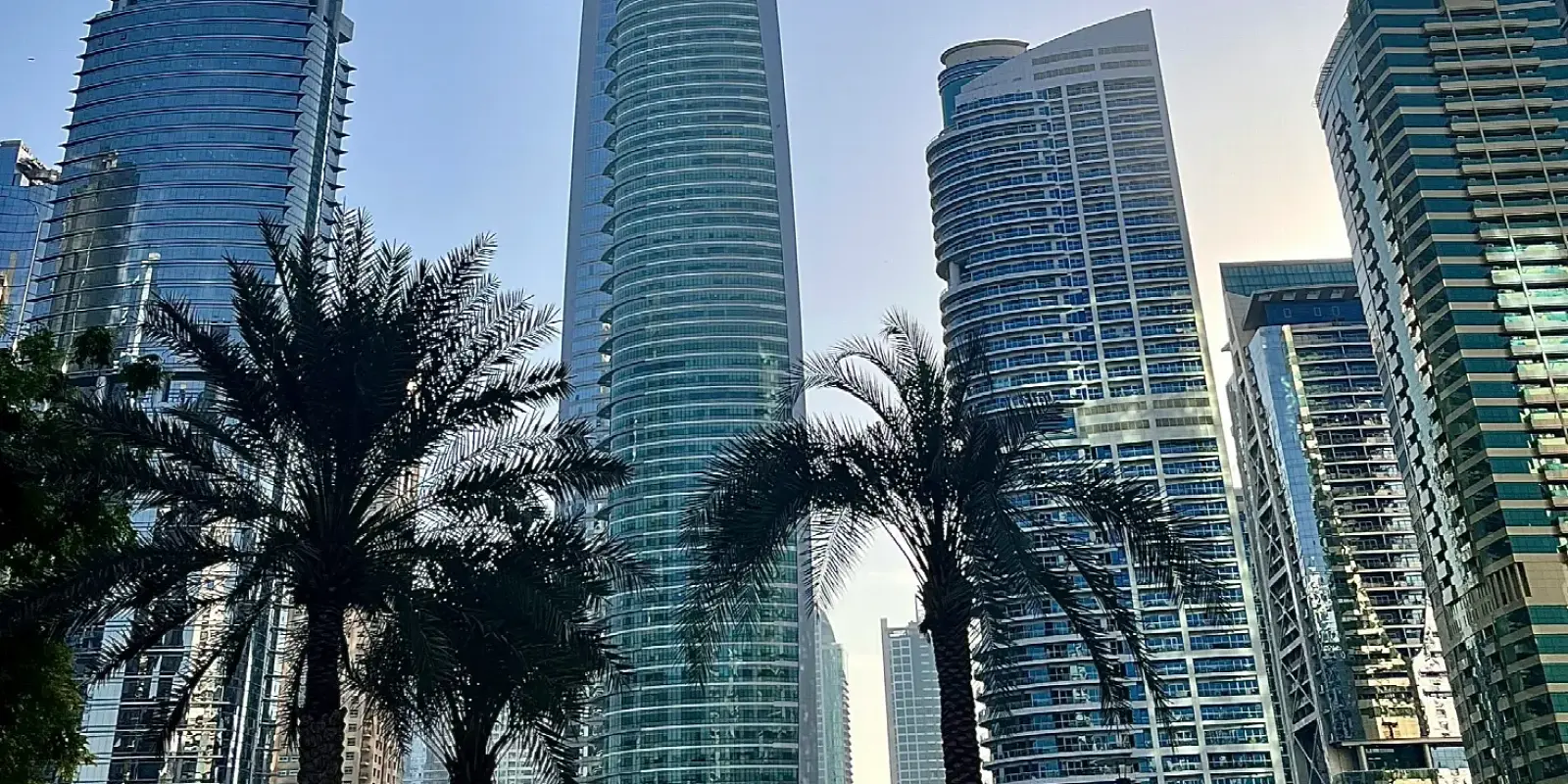
Middle Eastern Sovereign Wealth Funds (SWFs) have grown into some of the most influential financial entities in the world, representing a remarkable concentration of national wealth and strategic investment power. Originating primarily from the oil-rich nations of the Gulf Cooperation Council (GCC) — including Saudi Arabia, the United Arab Emirates, Qatar, Kuwait, Bahrain, and Oman — these funds were initially established to manage surplus revenues from hydrocarbons, stabilize national budgets, and plan for a post-oil economic future. Over the past two decades, however, they have evolved far beyond their traditional roles, becoming dynamic global investors with diversified portfolios spanning technology, infrastructure, renewable energy, healthcare, real estate, and entertainment.
The scale of these funds is staggering. For instance, the Abu Dhabi Investment Authority (ADIA) manages over $1 trillion in assets, Saudi Arabia’s Public Investment Fund (PIF) exceeds $900 billion, and Qatar Investment Authority (QIA) controls more than $450 billion. Collectively, Middle Eastern SWFs manage assets exceeding $4–5 trillion, making them some of the largest pools of capital under a single national or regional control anywhere in the world. This sheer size grants them an unparalleled ability to influence global markets, negotiate high-profile mergers and acquisitions, and drive strategic industrial and technological development both domestically and internationally.
Beyond the financial clout, these funds serve as strategic instruments for national development. They actively support economic diversification initiatives, such as Saudi Arabia’s Vision 2030 and the UAE’s long-term economic strategies, by investing in sectors that reduce dependence on hydrocarbons and create new avenues for sustainable growth. Their investments are not just about returns; they often carry geopolitical significance, enhance national competitiveness, and secure long-term access to cutting-edge technology and expertise.
Today, Middle Eastern SWFs are far more than passive investors; they are global catalysts, shaping industries, influencing market dynamics, and driving innovation worldwide. From acquiring iconic global brands to funding renewable energy megaprojects and AI infrastructure, these funds exemplify how concentrated capital, when strategically deployed, can reshape both regional economies and the broader global investment landscape.
Investment Trends and Strategic Focus
The investment philosophy of Middle Eastern sovereign wealth funds (SWFs) has undergone a fundamental transformation over the past decade. What once began as a conservative approach centered on wealth preservation and fixed-income securities has evolved into an assertive, globally diversified strategy targeting long-term growth and influence. Today, these funds are not merely investors but architects of economic transformation, actively shaping global industries and aligning financial investments with national development agendas.
From Oil Wealth to Strategic Capital
The driving force behind this transformation is a regional commitment to economic diversification. With fluctuating oil prices and the global energy transition accelerating, governments across the Gulf Cooperation Council (GCC) have turned to their SWFs as instruments for building resilient, post-oil economies. Funds such as Saudi Arabia’s Public Investment Fund (PIF), Abu Dhabi’s Mubadala Investment Company, and Qatar’s Qatar Investment Authority (QIA) have become central to achieving the goals of Vision 2030 and similar national blueprints.
Rather than parking excess oil revenue in passive global portfolios, these funds are channeling capital into sectors of the future — industries that not only generate financial returns but also stimulate domestic capabilities, create jobs, and position their nations as hubs for innovation, sustainability, and technology.
How are they investing these funds?
1.Technology and Artificial Intelligence (AI): Building the Digital Future
Technology and AI have become defining pillars of the investment strategy for Middle Eastern SWFs. Recognizing that data and computing power are the “new oil,” funds are making massive investments in AI infrastructure, cloud computing, data centers, semiconductors, and fintech.
- Mubadala’s AI subsidiary, MGX, is reportedly in talks to acquire Aligned Data Centers in a deal potentially worth $40 billion, marking one of the largest-ever investments in digital infrastructure.
- Saudi Arabia’s PIF has launched multiple AI-focused initiatives, including partnerships with U.S. tech firms and domestic ventures like Saudi Data & Artificial Intelligence Authority (SDAIA) and Alat, a $100 billion fund announced in 2024 to drive robotics, chips, and automation industries.
- QIA has invested in global tech leaders such as Stripe, Klarna, and SpaceX, seeking exposure to next-generation technologies while diversifying away from cyclical industries.
- PIF is a cornerstone investor in ACWA Power and the NEOM Green Hydrogen Company, developing the world’s largest green hydrogen project with a capacity exceeding 4 GW.
- Mubadala and Masdar, both backed by Abu Dhabi’s sovereign capital, have launched joint ventures in solar and wind power projects across Europe, Asia, and Africa, with a total portfolio exceeding 20 GW of renewable capacity.
- QIA has committed billions to clean energy funds in partnership with BlackRock and Brookfield Renewable Partners, supporting solar and wind infrastructure in Europe and North America.
- In October 2025, Abu Dhabi’s Lunate partnered with Blackstone to launch the GLIDE logistics platform, committing $5 billion to warehouse and transport infrastructure across the GCC (Gulf Cooperation Council).
- Mubadala and ADQ are expanding into global ports, airport operations, and digital infrastructure, strengthening the UAE’s position as a logistics and connectivity powerhouse linking Asia, Africa, and Europe.
- Mubadala Health has built a world-class portfolio of hospitals, clinics, and diagnostic centers across the UAE and Europe, positioning itself as a global healthcare leader.
- PIF has established the Saudi Health Investment Company, aiming to attract global partners and build a thriving medical ecosystem in the Kingdom.
- QIA has invested in biotech startups in the U.S. and Europe, particularly those focused on genomics, precision medicine, and AI-driven drug discovery.
- ADQ and PIF have invested in major private equity and venture capital funds, including Carlyle Group, KKR, and Apollo Global Management, strengthening financial linkages with Western markets.
- QIA has acquired stakes in leading financial institutions such as Barclays and Credit Suisse, providing stability during market turbulence while enhancing Qatar’s financial footprint.
More News